
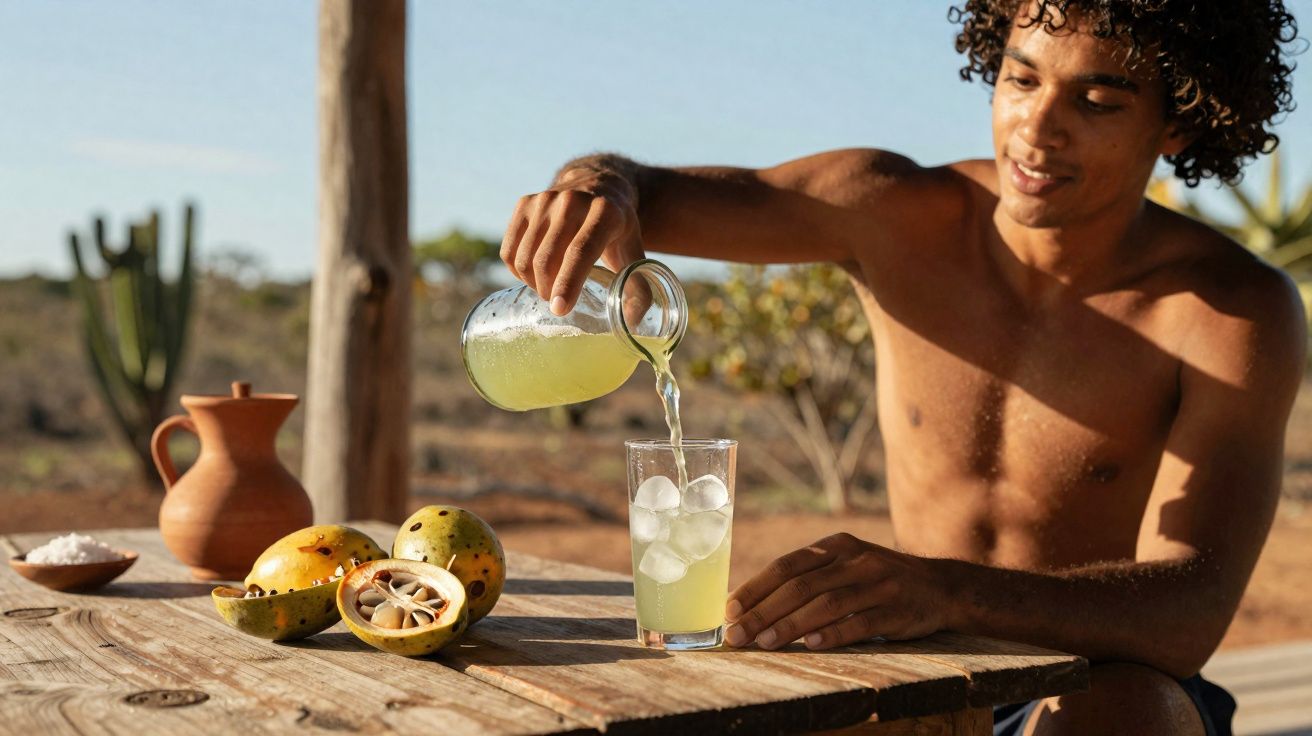
Grown across the semi-arid backlands of Brazil’s North-East, umbu has traditionally helped rural households stay cool and refreshed. Today, nutritionists are revisiting this native fruit as a straightforward, natural option to support hydration, top up electrolytes, and move towards a diet with fewer ultra-processed products.
What is umbu (Spondias tuberosa) and why are people talking about it?
Umbu, botanically known as Spondias tuberosa, is a small, round fruit produced by a tough, drought-adapted tree from Brazil’s Caatinga biome - a dry, thorny scrubland where water is scarce. In the sertão (the rural hinterland), umbu is not merely something to nibble; it is closely tied to heritage, resilience and everyday life.
Many people in the region remember gathering umbu as children and turning it into a cold drink at home. What was once viewed as a simple homemade refreshment is now appearing in nutrition discussions because of its combination of fluid, minerals and plant compounds.
Umbu brings together a high water content with natural sugars, minerals and vitamin C - transforming a long-standing regional habit into a genuinely functional drink.
Unlike many so-called “superfruits” promoted mainly through branding, umbu has been part of daily routines in North-Eastern Brazil for generations. It is eaten fresh, blended into juice, sold as frozen pulp, or cooked into jams and traditional sweets.
Hydration power: how umbu helps when heat and sweat rise
From a hydration perspective, umbu’s biggest advantage is simple: it contains a lot of water. Roughly 80–85% of the fruit is water, which makes it naturally cooling. On top of that, it provides small amounts of sodium and a moderate amount of potassium - two electrolytes that the body can lose through sweating.
Taste matters more than it sounds. Umbu is aromatic, tangy and gently sweet. That sharpness can make an umbu drink feel especially thirst-quenching, which may encourage people to drink more during hot weather.
In extreme heat, the most effective drink is often the one people happily keep sipping - and umbu juice fits that role well.
Umbu can also offer fast energy. Its simple carbohydrates are absorbed quickly, which may be helpful after manual work outdoors or other physical effort in high temperatures. Alongside this, vitamin C and other bioactive compounds in umbu provide a mild antioxidant contribution, supporting the body’s normal defences.
Umbu as a natural source of electrolytes
Electrolytes are minerals involved in regulating fluid balance, muscle contraction and nerve signalling. In umbu, the standout mineral is potassium, and the fruit can provide a meaningful amount for its size.
For people spending long hours in the sun - for example in agriculture, street trading, or outdoor services - potassium supports normal heart rhythm, contributes to healthy blood pressure, and helps muscles function properly.
Umbu contains less sodium than most commercial sports drinks, but it is not sodium-free. Over a day, small amounts can add up, particularly when umbu is consumed repeatedly as juice or blended drinks.
Taken together - water, potassium, a little sodium, and naturally occurring sugars - umbu-based drinks can resemble a lighter sports beverage profile, while avoiding artificial colours, flavourings and sweeteners.
How umbu compares with typical sports drinks
- Usually lower in added sugar (if made at home with little or no sweetener)
- Offers potassium from a natural fruit source
- Includes vitamin C and other plant compounds
- No artificial colours, sweeteners or preservatives
- Can help sustain local farmers in a region highly exposed to climate stress
For elite sport and very high-intensity training, tailored formulations may still be appropriate. For everyday walking, gentle running, physical jobs, or simply managing very hot days, umbu juice can be a practical supportive option.
Nutritional snapshot: what 100 g of fresh umbu delivers
Nutrient levels vary somewhat with soil conditions, cultivar and ripeness. Even so, analyses tend to show a consistent overall pattern.
| Component | Approximate amount per 100 g |
|---|---|
| Energy | 40–55 kcal |
| Water | 80–85 g |
| Total carbohydrates | 10–13 g |
| Protein | 0.5–1.0 g |
| Total fat | < 0.5 g |
| Fibre | 1.0–2.0 g |
| Vitamin C | 8–20 mg |
| Potassium | 150–250 mg |
| Sodium | 1–5 mg |
Overall, umbu is a low-fat, relatively low-energy fruit with a useful mix of micronutrients - particularly notable given the harsh conditions where it thrives.
From backyard to glass: practical ways to use umbu
For hydration, the most familiar approach is a chilled drink. In many North-Eastern households, the pulp is blended with cold water, strained (or left unstrained), and sweetened lightly according to preference.
Some families adapt the recipe to make a mild, home-style rehydration drink by adding small pinches of sugar and salt to increase carbohydrate and sodium content.
A simple kitchen mix of umbu pulp, water, a little sugar and a tiny pinch of salt can work like a gentle, flavoured rehydration drink.
For light exercise - such as walking, short bike rides, or farm tasks - drinking this before or after activity can help replace fluid and minerals. For prolonged endurance training, long-distance running, or significant dehydration, professional guidance and appropriate formulations remain important.
Other everyday uses beyond juice
Umbu is flexible, and several home preparations can still contribute to fluid intake and nutrition:
- Frozen pulp portions for smoothies or blending with yoghurt
- Refreshing ice lollies made from diluted umbu juice
- Light sauces or chutneys to serve with savoury meals
- Traditional jams (more about flavour than hydration)
Frozen pulp has also helped umbu travel beyond the North-East. During harvest, small cooperatives and family producers often process and freeze the fruit, selling it year-round - frequently in simple, unbranded bags at local markets.
Why this modest fruit matters for public health and local economies
With ultra-processed drinks dominating many shop shelves, umbu points to a different approach: hydrating with local, minimally processed fruit can reduce reliance on products high in added sugar, artificial sweeteners, colourants and preservatives.
There is an economic and climate-resilience dimension as well. Umbu trees cope with drought better than many crops because they develop large underground tubers that store water. This resilience makes them relevant to climate adaptation strategies for small-scale farmers in semi-arid areas.
Encouraging umbu-based drinks can support healthier hydration habits while strengthening livelihoods in one of Brazil’s most climate-vulnerable regions.
In recent years, Brazilian researchers and nutrition professionals have increasingly discussed umbu alongside other native species such as cashew and cajá when addressing food security and sustainable diets. The fruit highlights how biodiversity can meet everyday needs - thirst, modest energy, and minerals - without depending entirely on industrial products.
In addition, developing value chains around umbu (pulp production, safe freezing, and cooperative distribution) can reduce harvest waste and spread income across the year. When handled well, this strengthens local food systems while keeping processing relatively minimal.
Tips, care and smart combinations
If you are considering adding umbu to your routine, it helps to set realistic expectations. Umbu does not replace plain water - particularly in very hot weather - and works best as a complement to regular water intake.
Anyone with kidney disease, or who has been advised to restrict potassium, should speak with a healthcare professional before increasing intake of potassium-rich fruits, including umbu. People who find acidic drinks uncomfortable may prefer a more diluted juice, or blending umbu with naturally sweeter fruits such as banana or papaya in smoothies.
A practical example: on a day spent doing housework or gardening in strong sun, keep a jug of lightly sweetened umbu juice in the fridge alongside a bottle of water. Alternating between them can provide fluid, variety of taste, and small amounts of minerals and quick energy. For children, frozen umbu ice lollies can be a useful alternative to fizzy drinks after playing outside.
Umbu can also work surprisingly well with savoury food. A small glass of unsweetened umbu juice with a salty lunch creates a simple balance: sodium from the meal paired with potassium and water from the drink, supporting fluid balance in an everyday way.
Umbu shows that a seemingly humble regional fruit can play a meaningful part in hydration strategies - especially when traditional practices are paired with up-to-date nutrition knowledge.




Comments
No comments yet. Be the first to comment!
Leave a Comment