
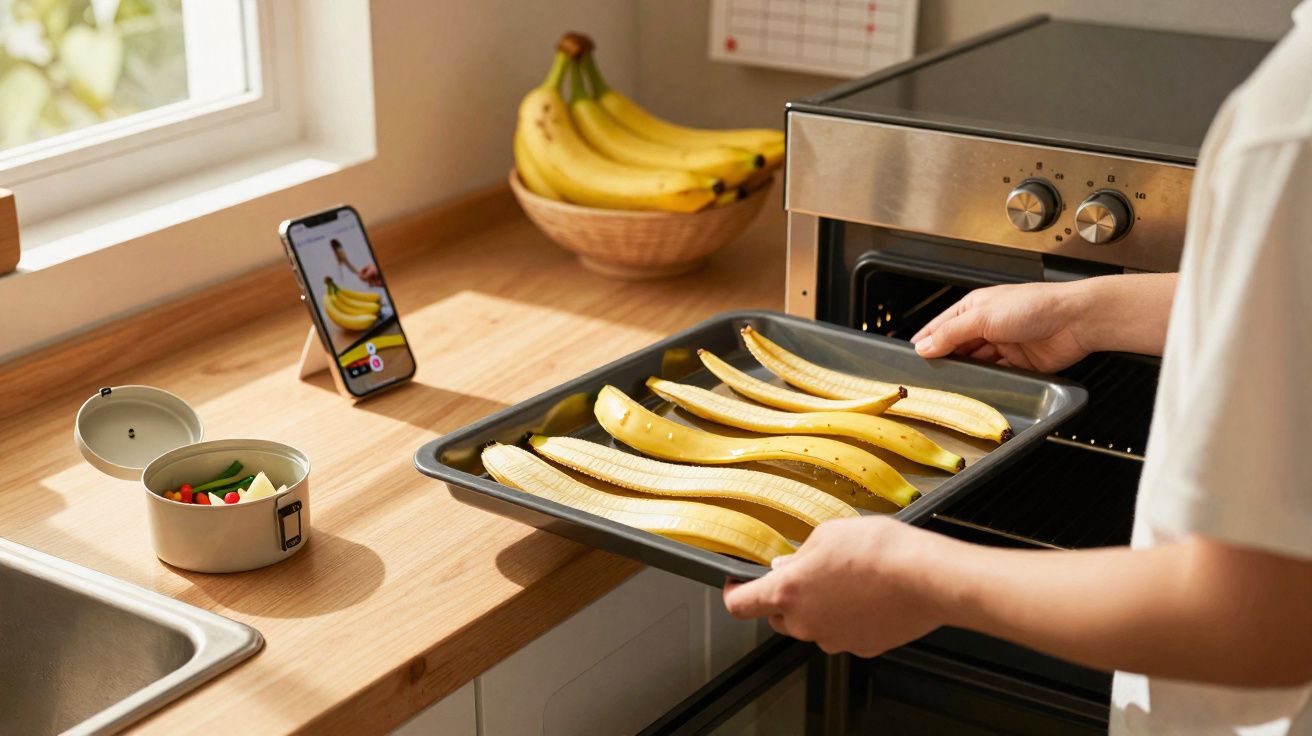
The baking tray slides out of the oven with a gentle crackle, and for a heartbeat you might swear you’re looking at roast potatoes.
What’s on the parchment, though, is a scatter of thin, honey-coloured ribbons, edges slightly curled, giving off a faintly sweet, smoky aroma. They’re banana peels. Twelve months ago, that would have sounded like a punchline; today it’s more like a normal Tuesday on TikTok.
On the worktop sits a bowl of actual bananas-peeled, pale, almost bashful without their skins. In this trend, the peel gets top billing. The pitch is ambitious: zero waste, a “superfood” snack, and, depending on who you ask, even a fix for droopy, yellowing houseplants.
After you try it, something unexpected becomes obvious.
The real “magic” of baked banana peels isn’t the one people keep talking about.
Baked banana peels aren’t fixing what you think
The popular narrative is that baked banana peels will “change your life” because you’ll stop throwing them away. Viral videos linger over trays of crisp strips while breathless voiceovers invoke potassium and sustainable living. It’s presented as the end of food waste, packaged in warm, cosy TikTok styling.
In most real kitchens, the outcome is smaller-and oddly more truthful. You make them once because you’re curious. Maybe you repeat it a second time to see if you can improve the texture. You decide the flavour is… acceptable. Not unpleasant. Not astonishing. Somewhere between chewy vegetable skin and a slightly bitter oven chip. And then you’re left with the question every internet craze eventually triggers:
What was this actually doing for me?
A food scientist I spoke with all but sighed down the phone. “From a safety and nutrition standpoint, you can eat them,” she told me. “There’s fibre, some antioxidants, a few trace minerals. But binning a peel isn’t the nutritional disaster people like to imply.” You’ll already get plenty of potassium from the banana itself-and from everyday staples such as potatoes and beans.
So if it’s neither a health revolution nor a realistic way to eliminate food waste overnight, baked banana peels start to read as something else: a symbol. A small, repeatable act that lets you feel a bit more capable in a world where waste-and guilt-seems to stack up faster than the recycling can be collected.
The quiet issue they address isn’t a hidden fibre crisis or a landfill statistic. It’s that familiar twinge when you scrape plates into the bin and think you ought to be living differently, without being sure how to start.
Baked banana peels on TikTok: a tiny ritual that changes behaviour
The real power in baking banana peels is the unglamorous shift it prompts: you begin to treat “waste” as a material, not a certainty. The first time you rinse and slice peels you’d normally discard, your brain registers the resistance. The thing that always went straight into the bin is now on your chopping board. It’s a clunky, physical reminder that routines aren’t laws of nature.
You heat the oven, add a drizzle of oil, and season-smoked paprika, salt, maybe a pinch of sugar. You line the strips up in a single layer. It’s a faintly ridiculous little ceremony that costs you five minutes. Yet the next time you cook, you notice different things: carrot tops, broccoli stems, stale bread. A new question starts to appear: could this be turned into something?
In Leeds on a drizzly Tuesday, I watched a young couple try the trend for the first time. They’d read that baked banana peels could stand in for bacon in a vegan BLT. “We’ve been doomscrolling climate news all week,” one of them said with a shrug. “This just felt… manageable.”
Their tray came out patchy-some strips crisp, some floppy, a few tips nearly burnt. There was laughter, a bit of deflation, and then tinkering. More marinade next time. Lower heat. They ate the sandwiches anyway, and the conversation moved quickly from recipes to habits they could genuinely imagine sticking with: freezing leftovers, bringing lunch to work, ordering a veg box.
Nothing heroic-just two people nudging their default settings a fraction.
In cold numbers, baking peels won’t solve the national food waste problem. The UK throws away around 4.7 million tonnes of edible food each year. Even if everyone in Britain cooked every banana peel, bananas are only a small slice of what’s binned. But behavioural researchers have a name for this sort of action: gateway behaviour-a low-stakes experiment that makes bigger changes feel less abstract later.
From a climate or nutrition angle, peels are basically a rounding error. Psychologically, they can be a crack in the wall of “this is just how I cook”. That’s the problem they actually solve: the belief that your habits are fixed and your choices don’t matter.
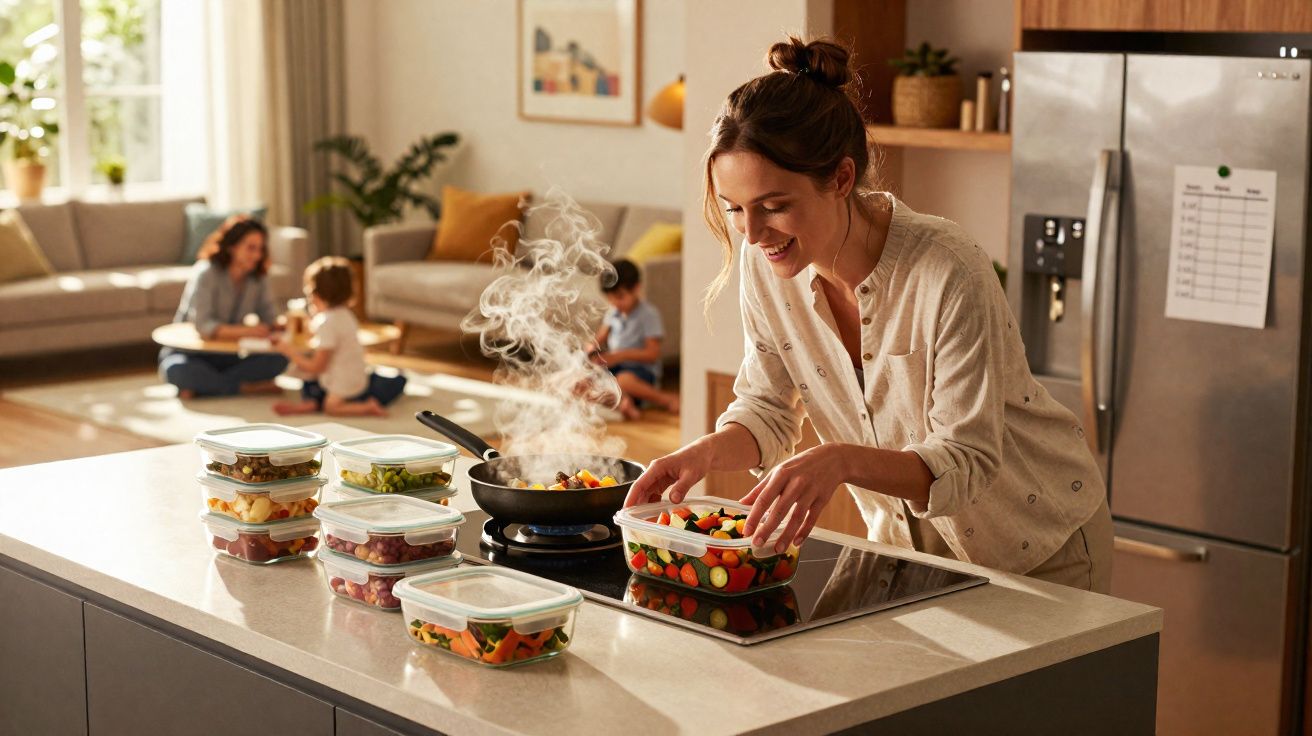
There’s also a practical knock-on effect people don’t mention much: once you’ve tried one “scraps” recipe, you’re more likely to reorganise your fridge and freezer so leftovers stay visible-labels, clear tubs, and a “use first” shelf. It’s not glamorous, but it often saves more money (and more emissions) than any single trendy snack.
And if your council offers food-waste collection, the trend can sharpen how you separate waste, too. You may not bake every peel, but you might become the person who composts with intention, rather than tossing everything into the general rubbish because you’re tired and it’s late.
How to bake banana peels so they help you-not just your feed
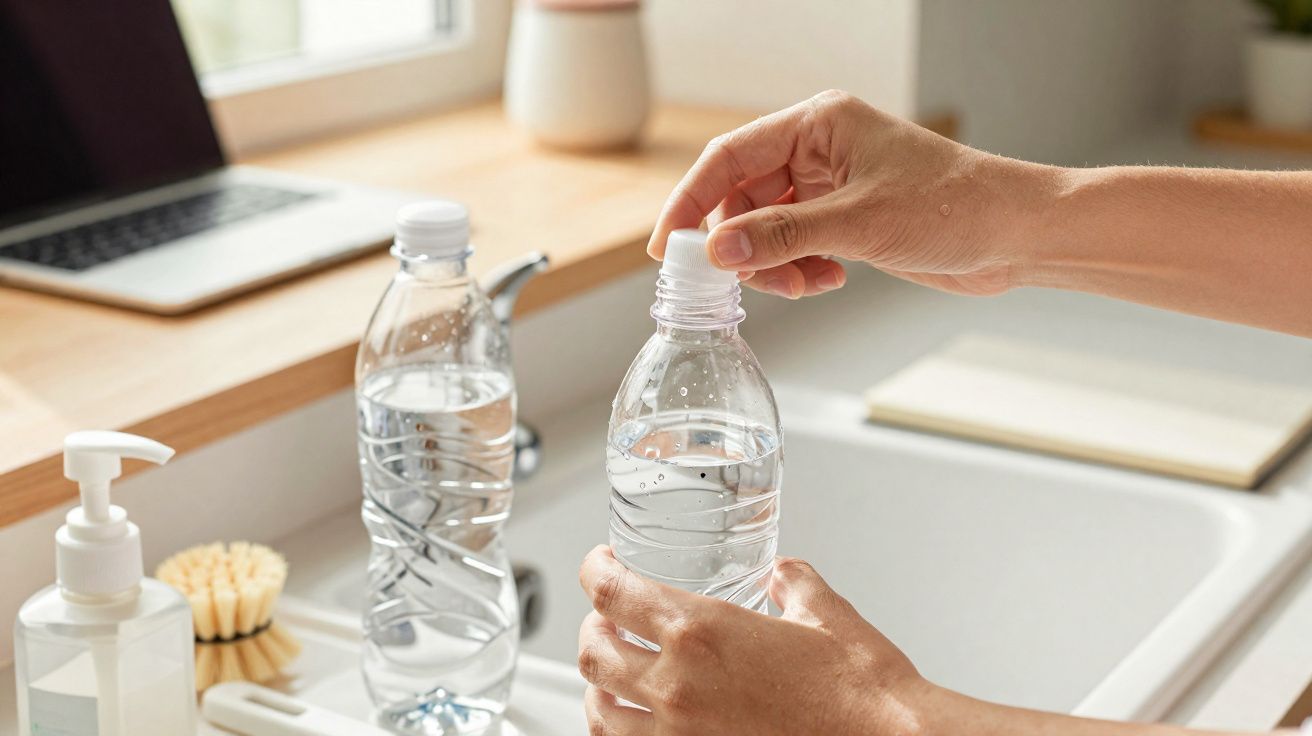
If you’re going to bake banana peels, approach it less as a life hack and more like a small kitchen experiment. Rinse the peels under cool running water and give them a gentle scrub; they’ve travelled a long way and been handled repeatedly. Cut away the dry stem ends, then slice into thin strips using a small knife or kitchen scissors.
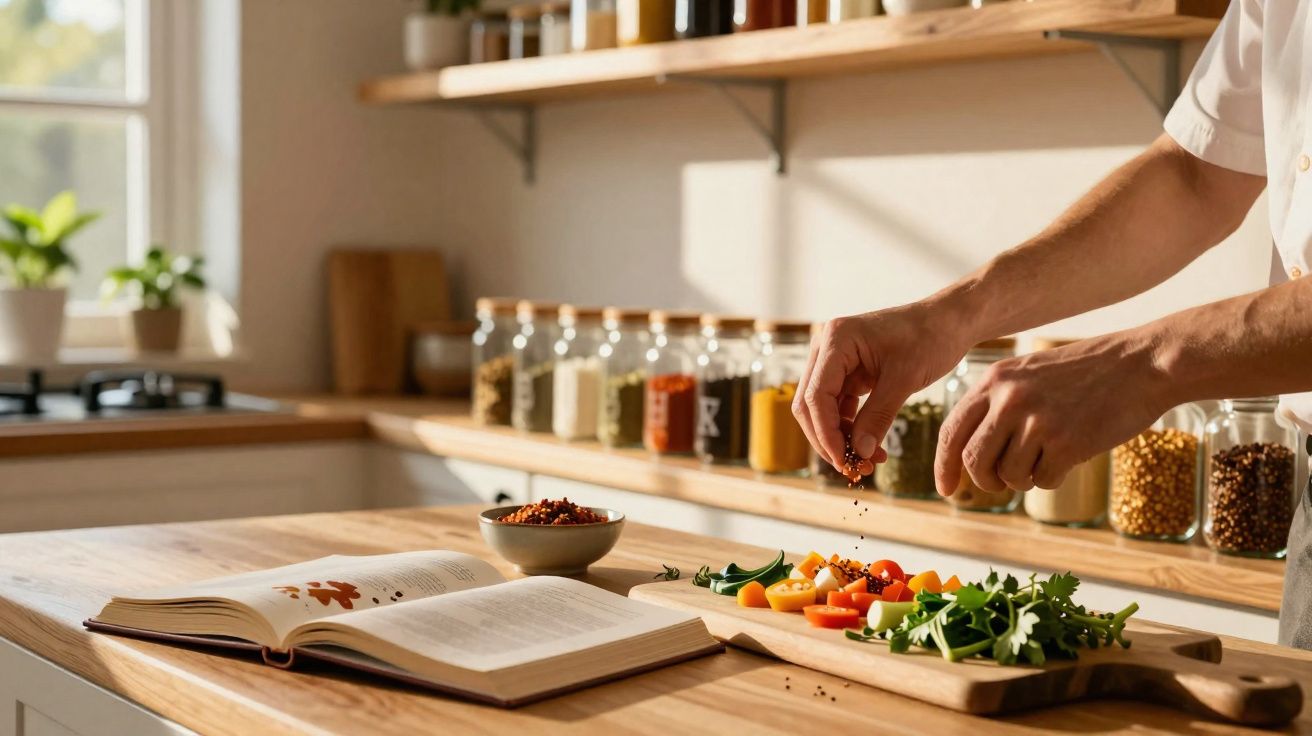
Tip the strips into a bowl and coat with about a teaspoon of oil, a pinch of salt, and something bold and smoky-smoked paprika, soy sauce, garlic powder, or a splash of maple syrup all work. Arrange in a single layer on a lined tray, leaving space so they roast rather than steam. Bake at roughly 180°C for 12–18 minutes, turning once, until the edges deepen in colour and the texture shifts from rubbery to lightly crisp.
Eat them as you would a topping rather than a centrepiece: tucked into a sandwich, scattered over rice, or crumbled on to a salad. Think of them as a snack that trains your attention as much as your appetite.
Many “eco recipes” quietly disappear after the first attempt. Let’s be honest: almost nobody does this every day. That’s not a failure; it’s reality. The goal isn’t to become someone who bakes every peel with religious consistency. The point is to use a slightly odd idea as permission to look at your kitchen differently.
If you do it once and never again, you still gained something: twenty minutes of noticing. You still practised a new line of thinking-“what else could I use?”
The most common errors are baking too long (they turn bitter and tough quickly) and seasoning too timidly (plain peel tastes exactly like plain peel). If your first batch is uneven, give yourself some grace. Food trends often carry an undercurrent of shame-as though not loving every “hack” means you’re lazy or uncaring. It doesn’t. It means you tried something in a space that already comes with pressure, especially for whoever does most of the cooking.
“The real win,” one home cook told me, “wasn’t the peel. It was the moment my teenage son asked if we could save the broccoli stalks for stir-fry instead of binning them. The banana thing was just the icebreaker.”
That’s the emotional current underneath all of this: it isn’t really about peels. It’s about giving yourself permission to try, to be imperfect, and to change gradually.
- Choose organic bananas where possible, or at minimum wash the peels thoroughly.
- Don’t feel you must eat every peel; composting is still a positive outcome.
- Start with one tray, once-treat it as an experiment, not a new identity.
The quiet ripple effect of one strange trend
On the surface, baking banana peels is almost comically small: one tray, one oven, one flat. It won’t feature in a policy briefing. Yet when you ask people who’ve tried it what stuck with them, they rarely talk about flavour. They remember the moment they looked at something they always threw away and thought, “Wait-maybe not.”
On an overcrowded planet, those tiny mental pivots matter. Not because your single act “saves the world”, but because it loosens the story that nothing you do makes any difference. When that story relaxes, other choices become simpler: planning one extra meal a week, eating what’s already in the fridge, picking the “ugly” veg, sharing surplus food instead of watching it wilt.
On a bad day, baked banana peels are just a quirky recipe. On a good day, they’re rehearsal for a different relationship with your bin, your budget, and your sense of agency. On a very good day, they’re a conversation starter-the throwaway fact you mention to a mate that makes them pause over their kitchen scraps before stepping on the pedal bin.
We all recognise the heavy feeling of scraping a plate into the rubbish, hearing good food land with a soft thud in plastic. Trends like this don’t erase that. They offer an alternative outlet: a new reflex, a small story you can tell yourself-today, I tried something odd instead of doing nothing.
Maybe that’s the real service banana peels provide: not as a superfood or miracle plant booster, but as a harmless, slightly ridiculous excuse to practise changing your mind. And once you’ve managed that with a peel, it becomes a little easier to do it with everything else.
| Key point | Detail | Why it matters to you |
|---|---|---|
| Baked peels don’t fix “nutrition gaps” | They add some fibre and antioxidants, but most diets already cover the basics | Takes the pressure off trying the trend for health reasons alone |
| The real benefit is behavioural | They can act as a gateway behaviour that helps you question food waste habits | Helps you turn one small experiment into bigger, realistic changes |
| Treat it as a ritual, not a rule | Even a single attempt can change how you interpret “waste” | Keeps the trend accessible, low-guilt, and more enjoyable |
FAQs
Are baked banana peels safe to eat?
For most people, yes-banana peels are edible if they’re washed well and cooked properly. Rinse and scrub them, trim the ends, and cook them rather than eating them raw, which is often tough and unpleasant.Do they offer any genuine nutritional benefit?
You’ll get extra fibre, a little vitamin C, and a range of antioxidants, but they’re not a miracle ingredient. Think “nice bonus”, not “essential superfood”.Will baking peels meaningfully cut my food waste?
By itself, probably not. It’s more valuable as a mindset shift that can lead you to tackle bigger sources of food waste such as leftovers, forgotten vegetables, and overbuying.Can I use banana peels in other ways instead of baking?
Yes. Many people prefer to compost them, make a slow-steeped liquid feed for plants, or simmer them in stocks and then strain and discard the solids for a lighter-touch approach.What if I try it and hate the taste?
Then you’ve learned something useful about your preferences. You can keep the mindset-questioning what you throw away-while choosing other, more appealing ways to reduce waste.
Comments
No comments yet. Be the first to comment!
Leave a Comment