
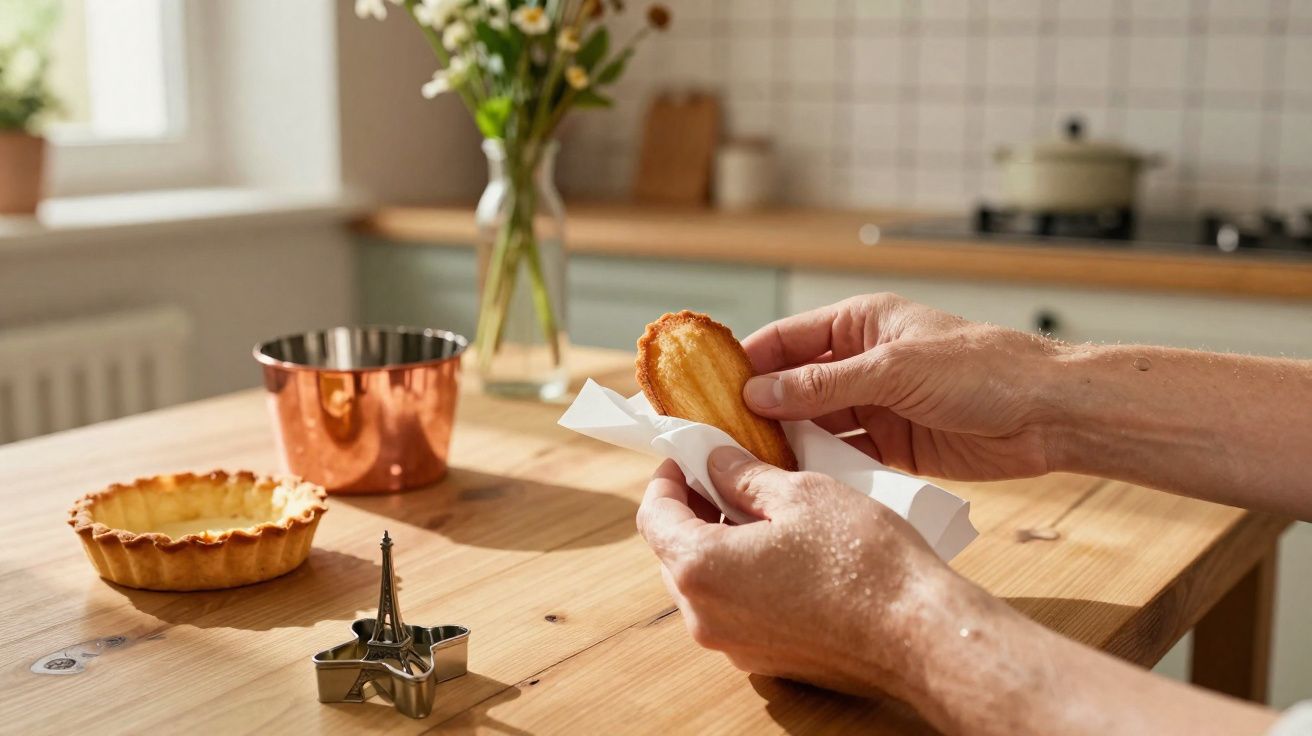
The story started as a murmur among home bakers and then, almost overnight, became headline news: one of the most recognisable names in French bakeware is switching off its ovens for good. For many people, this is more than the loss of a company; it feels like losing a quiet fixture of domestic life - the Sunday clafoutis, the birthday sponge that came out half-too-dark and half-just-right, the familiar logo pressed into a scuffed metal mould, the dependable tart tin that never once stole your pastry.
There’s something oddly personal about watching a famous French bakeware maker disappear - the same jolt you get when you realise an old neighbourhood bakery shut months ago and you somehow missed it.
The moulds will remain in our cupboards.
The business will not.
On a dull weekday morning in an ordinary French kitchen, a woman in her fifties lifts out a dented loaf pan. She catches sight of the stamp on the base and pauses. It’s that name - the one she’s just read in the news, attached to a single, unforgiving word: liquidation.
She tips in the batter all the same. The cake goes into the oven, as it has for two decades. Only now the act feels less like routine and more like a final lap.
The timer counts down, and with it a whole chapter of everyday baking runs out.
The quiet collapse of a French bakeware icon
For years, this French bakeware brand played the role of the uncelebrated workhorse. No glossy campaigns, no celebrity-chef tie-ins - just sturdy pans and trays that performed, bake after bake, without fuss.
Its logo turned up everywhere: student flats, family homes, and at the back of your gran’s cupboard, tucked under Pyrex bowls and beside wooden spoons stained by decades of stews and sponges.
Now that same mark is starting to feel like an artefact - a snapshot from a time when you bought metal bakeware once and expected it to last, rather than replacing it with each new trend.
Take a proper look at your own shelves and you may spot it: the ageing non-stick tart tin, the black steel pizza tray buckled by heat, the muffin pan with a permanently scratched cup. The brand’s power was never “prestige”; it was ubiquity. It sat in supermarket aisles, discount chains, and small ironmongers in rural towns - the sort of name you didn’t discuss, you simply relied on.
After months of mounting pressure - higher costs, tighter margins, and relentless competition from low-priced imports - the final production line has halted. The ovens are off, the remaining stock has been counted, and the doors have been shut.
What changed: imports, trends, and the squeeze on mid-range makers
Part of why this closure stings is that it represents more than a single firm losing a price battle. It’s a sign of how our kitchens - and our buying habits - have shifted.
Online marketplaces now deliver cheap silicone moulds for a fraction of the price, often arriving within 48 hours. At the other end, big lifestyle labels push “Instagram-ready” bakeware sets in carefully curated pastel colours, sold as much for the photo as for the bake.
That leaves traditional European metalworking - and French industrial know-how in particular - trapped between rock-bottom manufacturing and luxury niches. This brand occupied the awkward middle: locally made (or at least locally rooted), quality-minded, and still affordable. That middle ground is breaking apart.
And what fades with it is a simple idea: tools you purchase once, keep for years, and only replace when they finally rust through.
What to do now: keep, protect, or replace your French bakeware
If you already own pieces from this French bakeware brand, the most practical mindset is straightforward: assume replacements and matching items are not coming back - because they won’t.
For carbon steel or plain metal pieces, give them a fresh lease of life:
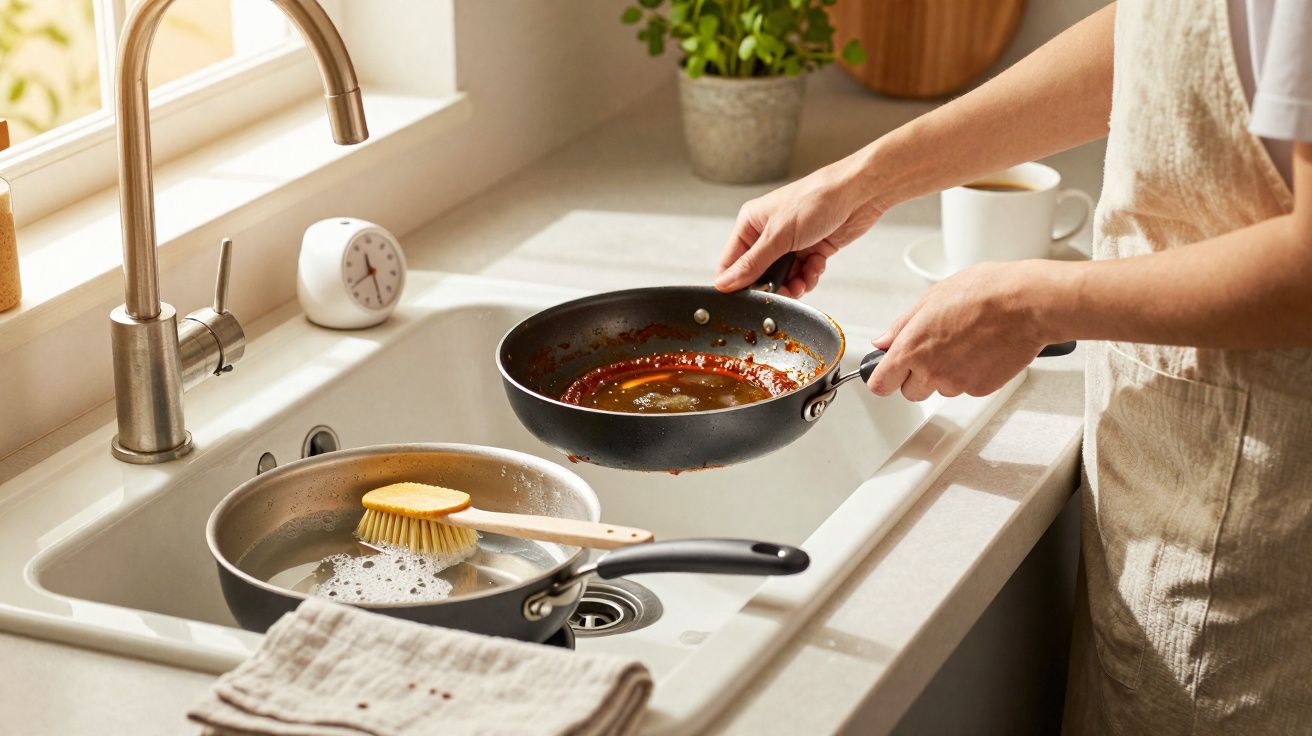
- Wash by hand in warm water (skip harsh detergents where possible).
- Avoid abrasive scourers that strip surfaces and invite rust.
- Dry thoroughly, then place in a low oven for a few minutes to drive off moisture and prevent corrosion.
For non-stick items, gentle handling matters more than ever:
- Use wooden or silicone utensils rather than metal.
- Bake slightly cooler: drop the oven temperature by around 10–20°C compared with the maximum limit on the packaging (or your usual “high-heat” habit). Less stress on the coating usually means a longer lifespan.
Many home bakers are now weighing up two impulses: stocking up on whatever is left versus drawing a line and moving on. The right answer depends on how you actually bake. If you rely on one faithful loaf pan and one tart tin all year round, keep them, care for them, and enjoy them. If you’ve accumulated multiple similar moulds that rarely leave the cupboard, this may be the perfect moment to sort, donate, or sell what you don’t truly use.
Grief can be strangely practical. Some people will buy back-up stock “just in case”. Others will feel a strong urge to start again with a new brand, as though tidying away an ending. Both reactions make sense. And if we’re honest, nobody manages their kitchen inventory with weekly, professional-level discipline.
There’s also a quieter emotional layer: bakeware holds memories. It remembers birthday cakes that sank, Christmas bûches that split, and sourdough experiments that never rose.
“When my mother died, I didn’t keep her jewellery,” one reader told us. “I kept her battered cake tin from this brand. That’s what still smells like Sunday.”
A quick check-up: when to retire (or recycle) old pans and moulds
One useful step that often gets overlooked is knowing when sentiment should give way to safety. If a non-stick coating is flaking or peeling, it’s time to stop using it. Likewise, if a tin has warped so badly that it no longer sits flat, it can bake unevenly and become frustrating - even if it still “works”.
If you do need to let go of a piece, consider recycling it as scrap metal where facilities allow (after removing any detachable plastic parts). It’s a small way to keep metal out of landfill, especially when replacing a well-made item feels like a defeat.
As this French manufacturer disappears, three simple actions can help preserve what mattered about it:
- Keep one or two items linked to real memories - not just “because it might be handy one day”.
- Photograph your oldest moulds in action and share the pictures with family. Stories travel further than objects.
- If you do replace pieces, prioritise brands that still manufacture in France or Europe, even if that means buying fewer items overall.
A small brand’s ending - and a bigger question for our kitchens
This shutdown poses an uncomfortable question: how many more “ordinary” mid-range brands will vanish before we notice what they contributed? The past few years have been punishing for manufacturers caught between ultra-cheap and ultra-premium.
This French bakeware maker made it through wars, currency changes, and shifting food habits - yet it couldn’t withstand a marketplace awash with anonymous moulds sold by the kilo. Every time we hit “buy now” on a €6 pan that buckles after three bakes, we cast a vote without ever saying a word.
What’s striking is how personal the response has been. Online, the comments read like condolences: “I baked my first tart in their tin.” “My wedding cake was in that mould.” “My kids learned brownies on that tray.”
Rationally, it’s just metal and coating. Viscerally, it’s the scenery of family rituals fading out. Collectively, it’s another piece of French industrial history going dark. Most of us know that moment: you pull an old object from a drawer and realise it has witnessed more of your life than some people have.
None of this means we must swear off online shopping, or pretend innovation is the enemy. The real question is what we want our kitchens to say about us in ten or twenty years: fast, replaceable, constantly refreshed - or a little more worn, occasionally repaired, and filled with tools that genuinely last.
This famous French bakeware brand produced equipment that could survive bad recipes, missed timings, divorces, house moves, and children growing up. Its disappearance is a reminder that reliability doesn’t automatically endure in the market.
Next time you slide a pan into a hot oven, you’re not only baking. You’re deciding which kind of story continues - and which one quietly ends.
| Key point | Detail | Why it matters to you |
|---|---|---|
| End of an iconic brand | A well-known French manufacturer of baking moulds and trays is closing permanently | Understand why familiar kitchen tools may suddenly become “collectable” |
| Impact on your cupboards | Existing products remain usable, but there will be no ongoing range, support, or like-for-like replacements | Know what to keep, restore, or replace with intention |
| Choices for the future | More durable European alternatives vs ultra-cheap, disposable options | Helps you buy bakeware more consciously and sustainably |
FAQ
- Is my existing bakeware from this brand still safe to use?
Yes - as long as the coating is not badly scratched or peeling, and the metal is not warped, heavily rusted, or degraded.- Will there be any warranty or after-sales service now?
Once liquidation is finalised, warranties and customer support typically end. Treat anything you own as effectively “out of warranty”.- Should I stock up on remaining products before they disappear?
Only if you genuinely need them and you like how they perform. Panic-buying usually creates clutter more than reassurance.- What’s the best alternative: silicone, glass, or metal?
Metal (steel or aluminium) is still the most versatile for even browning. Glass suits pies and gratins very well. Silicone is helpful for easy release, but it often browns less.- How can I make my old pans last longer?
Reduce baking temperatures slightly, avoid metal utensils on non-stick surfaces, hand-wash, and dry thoroughly straight after washing.


Comments
No comments yet. Be the first to comment!
Leave a Comment