

The decorations are packed away, bills are piling up, and the daylight fades before you’ve properly woken up. Your body still demands sugar, fat, and “comfort”, even though you already feel heavy, drained and slightly overheated from the inside out. In open-plan offices and at home alike, mugs line up in formation: coffee, more coffee, then one last coffee before yet another too-late night.
One morning in a local café, a woman set an amber, steaming drink on the counter-neither hot chocolate nor an over-sweet latte. The barista nodded towards it and said, “That’s my January survival drink-one for the pancreas.” It landed like a throwaway joke. But nearby, three people immediately leaned in to ask what was in it.
That mug wasn’t selling a six-pack by summer. It offered something smaller, and oddly compelling: a way to be kinder to an organ you never see, and to find energy that doesn’t wobble. A drink that doesn’t exist to look good online-one that gets on with the job quietly, in the background.
January’s quiet hero: a hot drink for your pancreas
The drink the barista meant is almost disarmingly straightforward: a hot infusion made with turmeric, ginger, lemon, and a pinch of cinnamon. You’ll see it called a turmeric ginger tonic in some places, and pancreas tea in others. There’s no secret “subscription powder” and no mystical claim-just hot water steeped with a few roots and a slice of lemon.
So why this particular combination? Turmeric and ginger have been studied for years for their links to inflammation and glucose metabolism. Cinnamon is often mentioned in research discussions around insulin sensitivity. Lemon isn’t medicine, but its sharpness can kick-start digestion and leave a clean, bright feeling-like opening a window in a stuffy room. Together, these ingredients don’t create fireworks; they create a gentle, repeatable effect that builds cup by cup.
The pancreas is a small, easily forgotten organ tucked behind the stomach, yet it carries a huge workload: releasing insulin to keep blood sugar balanced. When it’s pushed hard by repeated sugar spikes, tiredness can creep in in a surprisingly stealthy way. This hot drink won’t “fix” a diseased pancreas-and pretending otherwise would be dishonest-but it can help set a kinder context: less sugar coming in, more anti-inflammatory compounds, and (for many people) fewer mid-afternoon urges to hunt down something sweet. Think of it as a small daily gesture of support.
Research doesn’t promise overnight transformations, but it does hint at useful “micro-levers”. For instance, a study published in Diabetes & Metabolic Syndrome reported that a turmeric extract improved certain markers linked with insulin sensitivity in adults who were overweight. Separate work on cinnamon has found a modest but meaningful reduction in fasting blood glucose among people with prediabetes. These aren’t instant miracles-more like small nudges that can add up in everyday life.
In real terms, it looks like this: Sarah, 42, a marketing manager, swapped her third coffee for this yellow, gently peppery infusion. By 4 pm she’d been hitting a predictable post-lunch crash. After three weeks, she described fewer sweet cravings and steadier energy-without that “free-fall” feeling late in the day. Her life hadn’t magically changed; her inbox was still her inbox. But the shape of her tiredness felt less harsh.
The logic is simple: soften the blood-sugar rollercoaster. Black coffee chased with sugary snacks can keep the pancreas working as if it’s constantly on emergency call. Turmeric and ginger don’t “switch off” the system; they may help turn down background inflammation-like lowering the constant hum of a busy street. Cinnamon steps into the glucose story too, and in some people it may help cells respond a little better to insulin.
What you tend to notice isn’t a jolt, but the absence of a jolt: fatigue that feels less aggressive, less crushing. Instead of riding caffeine peaks, you’re supported by a calmer metabolic baseline. It can even sound underwhelming because there’s rarely a single “wow” moment. Yet that slow shift is often what changes how winter days feel.
A practical point that rarely gets mentioned: this ritual also replaces something. When a warm, spiced mug takes the place of a fizzy drink, a sweetened coffee, or a mid-afternoon biscuit, the overall impact can be larger than the ingredients alone.
How to make a pancreas-friendly hot drink at home (turmeric ginger tonic)
You don’t need a fancy kitchen to make this. All you need is a small pan or kettle, a mug, and a few basics: a piece of fresh ginger, ½ teaspoon of turmeric (powdered or freshly grated), a pinch of cinnamon, and a slice of lemon. Heat the water until it’s just shy of boiling, add finely sliced ginger and the turmeric, then cover and leave it to infuse for 8–10 minutes.
Strain it into your mug, stir in the cinnamon, and finish with the lemon slice. A small amount of honey can soften the flavour-especially if the ginger is particularly punchy. Ideally, drink it while it’s properly hot and give it a real slot in your morning: before opening emails, or just after breakfast. Taken with a still-cold morning throat, it can feel like gently switching the body back on.
Honesty helps here: almost nobody does this perfectly every day for months. People begin full of intent, then miss a day, then another, then it slips. That’s normal. If you want it to stick, attach it to something you already do-boiling the kettle for coffee, starting dinner, or putting your phone on aeroplane mode for the evening.
Common missteps are predictable. Using too much turmeric and feeling put off after the first cup. Assuming “a bit is good, so loads must be better”. Sweetening it heavily and cancelling out part of the point for blood sugar. Another trap is expecting it to do everything: weight loss, erasing years of excess, curing metabolic conditions. This isn’t a magic wand; it’s a quiet teammate-and teammates only matter as part of a wider team: sleep, movement, and simpler, steadier food choices.
A London-based nutritionist put it to me like this:
“I treat it as a reset ritual. The spices can support a steadier metabolic environment, but the real win is what it replaces-one less sugary drink or extra coffee, day after day.”
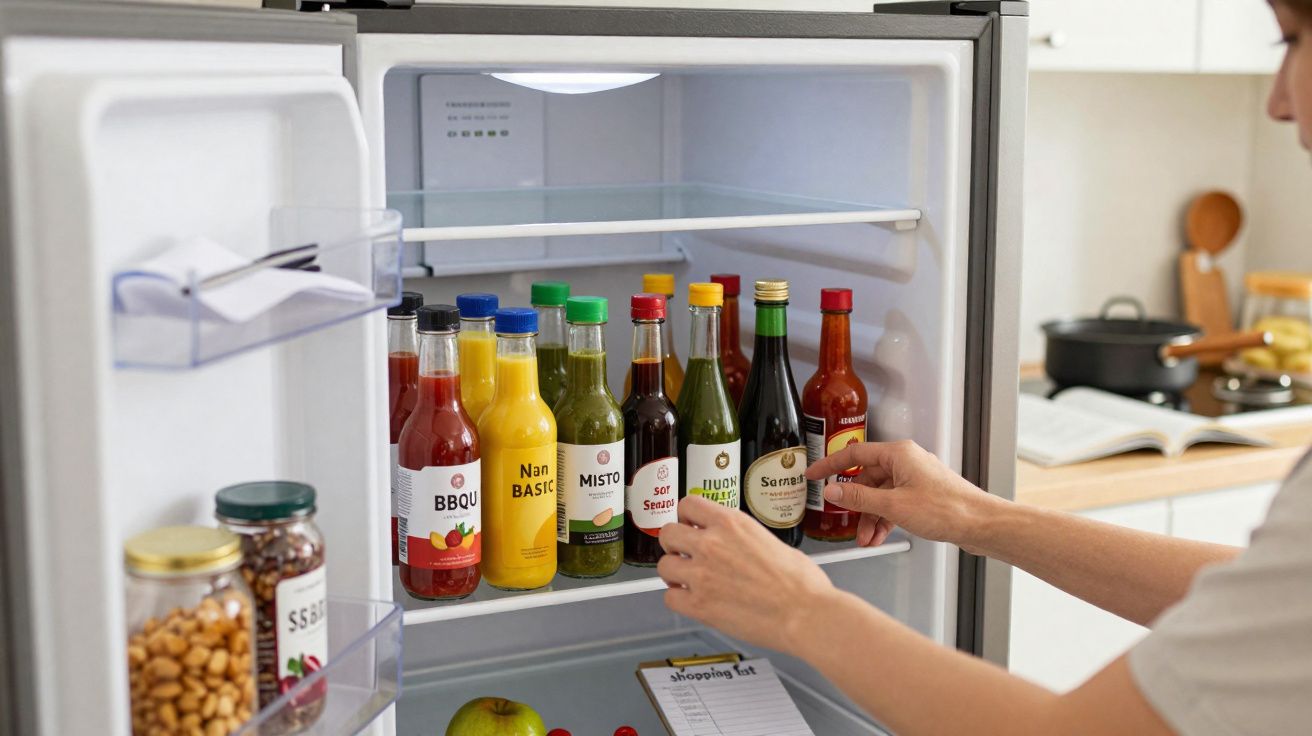
If you want a simple checklist on the fridge, keep it like this:
- Have the drink in the morning or mid-afternoon, away from fizzy drinks and very sugary snacks.
- Keep turmeric moderate if your stomach is sensitive.
- Try it without honey on days when sugar cravings are already strong.
- Watch your energy over 2–3 weeks, not over 24 hours.
- Speak to a GP if you have diabetes or take specific medication.
One more useful consideration: if you’re on blood thinners, have gallbladder issues, or you’re pregnant, it’s sensible to ask a clinician before making high-spice drinks a daily habit. “Natural” still counts as active, especially when it becomes routine.
And if time is the barrier, you can prepare a “ginger-turmeric base” for two days at once: simmer the ginger and turmeric, cool it, store it in the fridge, then reheat a portion and add cinnamon and lemon fresh. It keeps the ritual realistic rather than another task you resent.
From one mug to a different kind of winter
January rarely goes easy on anyone: low light, mixed mood, and a digestive system still clearing up after festive excess. In all of that, the pancreas is often ignored. People talk about the liver and “detox” plans, but seldom about the organ that responds to every latte, every biscuit, and every “healthy” juice that’s actually packed with sugar. Building in this hot drink is a small decision to treat the pancreas with a bit more respect.
For many, the biggest shift isn’t the infusion itself-it’s the moment it creates. A pause where you notice signals: fewer energy slumps, steadier hunger, a post-meal feeling that doesn’t flatten the afternoon. This drink does not replace any medical treatment; it simply adds a layer of gentleness on top of a lifestyle you’re trying to steer back into shape.
In offices, shared kitchens and living rooms doubled as workspaces, that yellow mug can become a quiet marker. A discreet message to your body: “I see you. I know you’re working hard in there.” Over time, the conversation changes too-away from “boosts” and towards stable energy; away from miracle diets and towards genuine pancreas support. It’s only a hot drink, but it can slowly alter the way you move through winter.
| Key point | Detail | Why it matters to you |
|---|---|---|
| Pancreas-friendly drink | Hot infusion made with turmeric, ginger, lemon, cinnamon | A practical alternative to coffee and sweetened drinks |
| Impact on fatigue | May support steadier energy by reducing sugar spikes | Fewer mid-afternoon slumps and less “rollercoaster” tiredness |
| Simple daily ritual | Ready in about 10 minutes, easy to fit into an existing routine | Quick to try, low cost, no specialist kit |
FAQ
Can this hot drink really cleanse the pancreas?
There’s no official “pancreas cleanse”. This drink won’t clean the organ in a medical sense, but the spices-and especially swapping it in for sugary drinks-may help create a more favourable metabolic environment.
Is it safe if I have diabetes or prediabetes?
These ingredients are generally well tolerated, but if you monitor blood glucose or take medication, speak to your GP or diabetes team before turning it into a daily habit.
How soon might I feel less tired?
Some people notice a change within a week; for others it’s closer to two or three weeks. The benefit tends to come from consistency and from the wider context (sleep, food, stress).
Can I drink it at night?
Yes, if spices don’t upset your stomach. If you’re prone to indigestion, stick to morning or afternoon and reduce the ginger and turmeric.
Can I replace all my coffee with this drink?
You can replace some of it-especially late-day coffee that disrupts sleep. There’s no need to be extreme: swapping just one coffee a day is already a meaningful step for your pancreas.



Comments
No comments yet. Be the first to comment!
Leave a Comment