
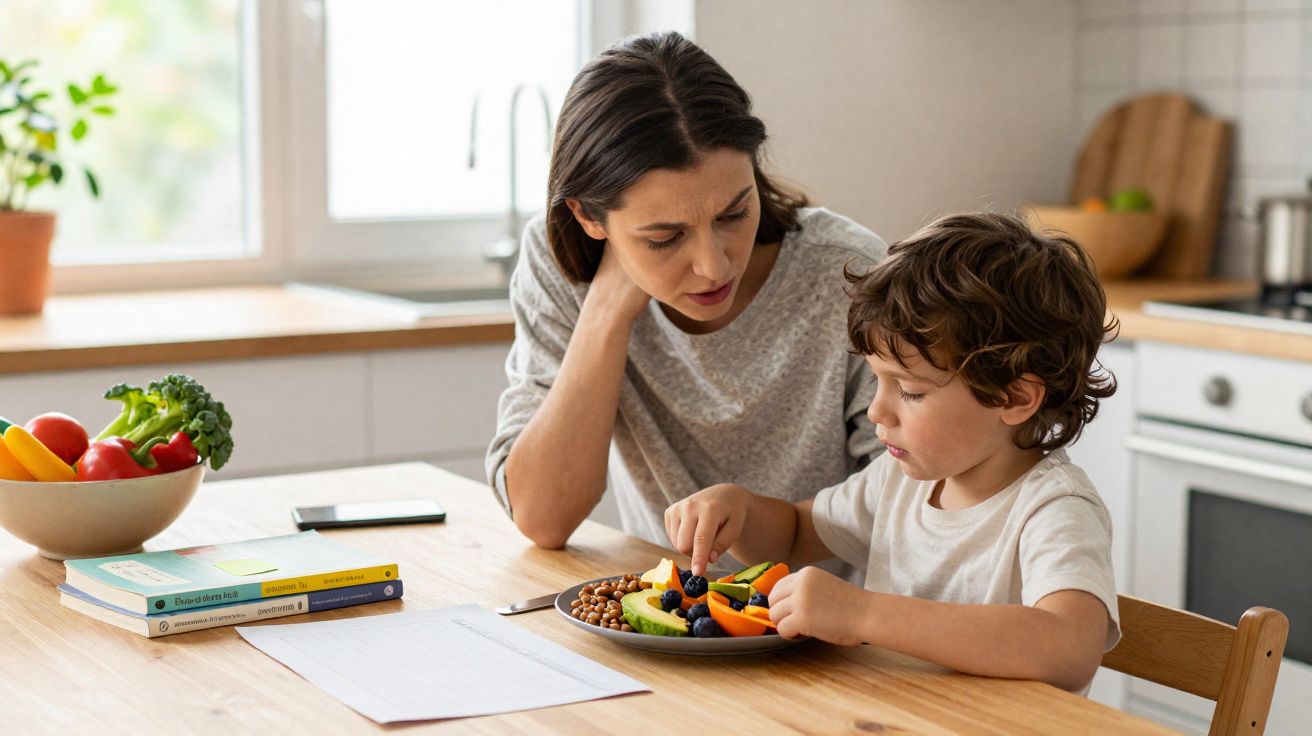
The small boy sitting opposite me in the paediatric waiting room won’t take his eyes off his snack. His mum has packed neat cubes of tofu, a handful of blueberries, and a mini carton of fortified oat drink. On her phone, a news alert pops up: “Vegan parents accused of starving their children.” Her jaw tightens as she reads it. Without a word, she turns the screen face-down so her son doesn’t catch the image of two hollow-faced children beneath the headline.
She offers him another blueberry. A few seats away, a man glances at the lunchbox with undisguised suspicion, as though chickpeas are something you’re meant to hide.
In a couple of seconds, you can watch the entire argument flicker across her expression.
Is this healthy… or is it harmful?
When “healthy” suddenly looks dangerous
Not long ago, “vegan” sat somewhere in the public imagination between “hippy” and “health nut”. Then came the viral stories: parents prosecuted after children were found dangerously underweight while eating plant-based diets. Each fresh headline lands with a jolt - a thin toddler, a hard quote from a prosecutor, a courtroom sketch that becomes a morality play across social media.
All at once, a bowl of lentils and greens stops looking like tea. It starts to resemble proof.
One case in Florida travelled worldwide. A couple, openly vegan, were accused of feeding their 18‑month‑old almost entirely raw fruit and vegetables - no fortified foods, no supplements, no proper medical follow-up. The child died from complications linked to severe malnutrition. Within hours, the story ricocheted from television to TikTok.
Soon after, vegan parents everywhere found themselves on trial in comment threads: “Are you starving your kids?” “Are you imposing your beliefs?” The specifics of what failed - and why - were buried under shock and fury.
These deaths and prosecutions are not invented, and they are not “fake news” designed to smear vegans. But they are also rare when set against the millions of children worldwide who are thriving on well-planned plant-based diets. A single courtroom image, however, hits harder than a thousand ordinary evenings of pasta, beans and broccoli.
The media prefers a tidy villain. “Extreme vegans” fit the part - even when the underlying issues are far more tangled: poverty, fixation on “clean eating”, untreated mental health problems, or simply not understanding what children nutritionally require.
Vegan parents between fear and food: what feeding children really looks like
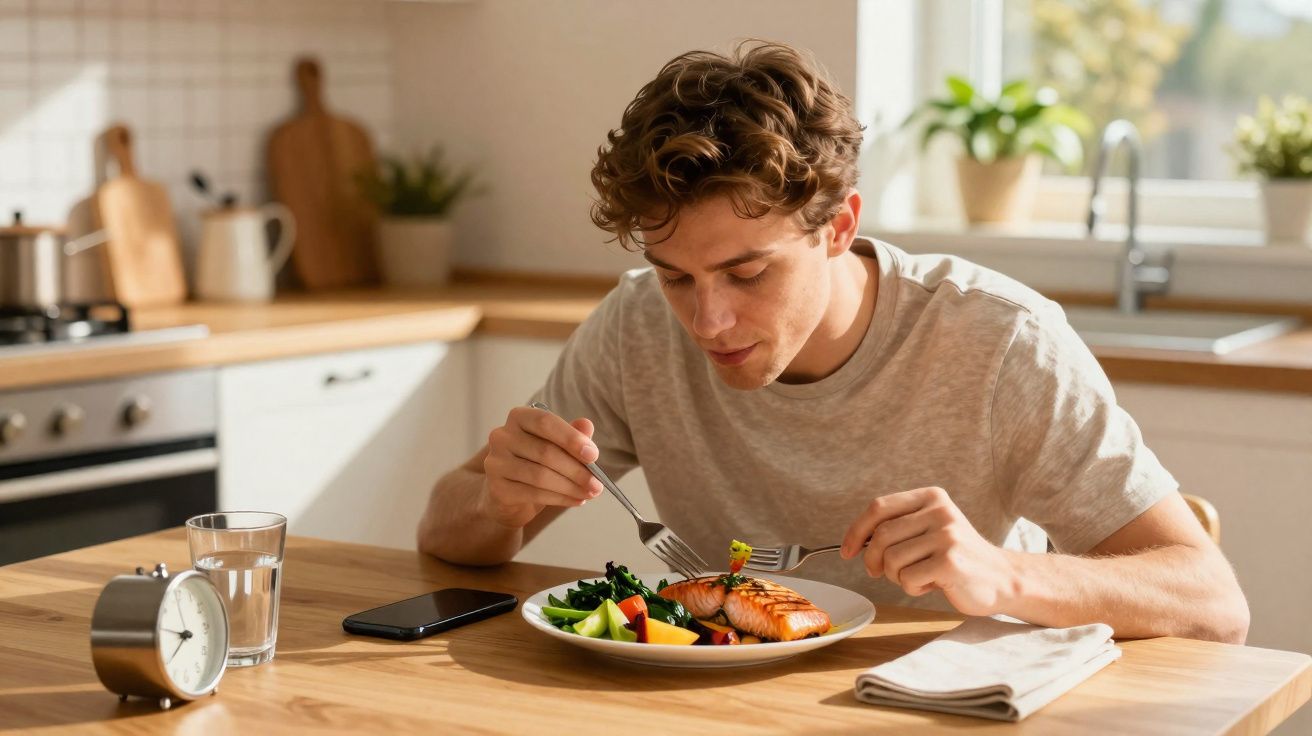
Speak to most vegan parents about weekday meals and you don’t hear much about spirulina. You hear about busy evenings, bargaining over peas, and familiar staples. Many follow standard paediatric guidance: fortified plant milks after age one, energy-dense spreads, lentil bolognese, nut butters on toast, soy yoghurt. They’re doing the same parenting maths as everyone else - growth charts, fussy phases, and the grandparent who keeps offering cheese strings.
What never makes the headlines is the quiet, ongoing work: checking labels, planning snacks, learning which foods supply calcium without dairy, and keeping a mental list of what’s fortified. It isn’t glamorous. It’s just parenting, with a few extra browser tabs.
Clinicians repeat a point that gets lost in the shouting: the core danger usually isn’t veganism itself. The bigger risk is a diet that’s unbalanced but presented as “healthy” because it looks pure and virtuous. A toddler living mainly on fruit pouches and salad leaves will fail to grow under any dietary label. Developing bodies need enough energy, enough fat, enough protein - and a set of nutrients that require deliberate attention: B12, iron, zinc, iodine, and vitamin D.
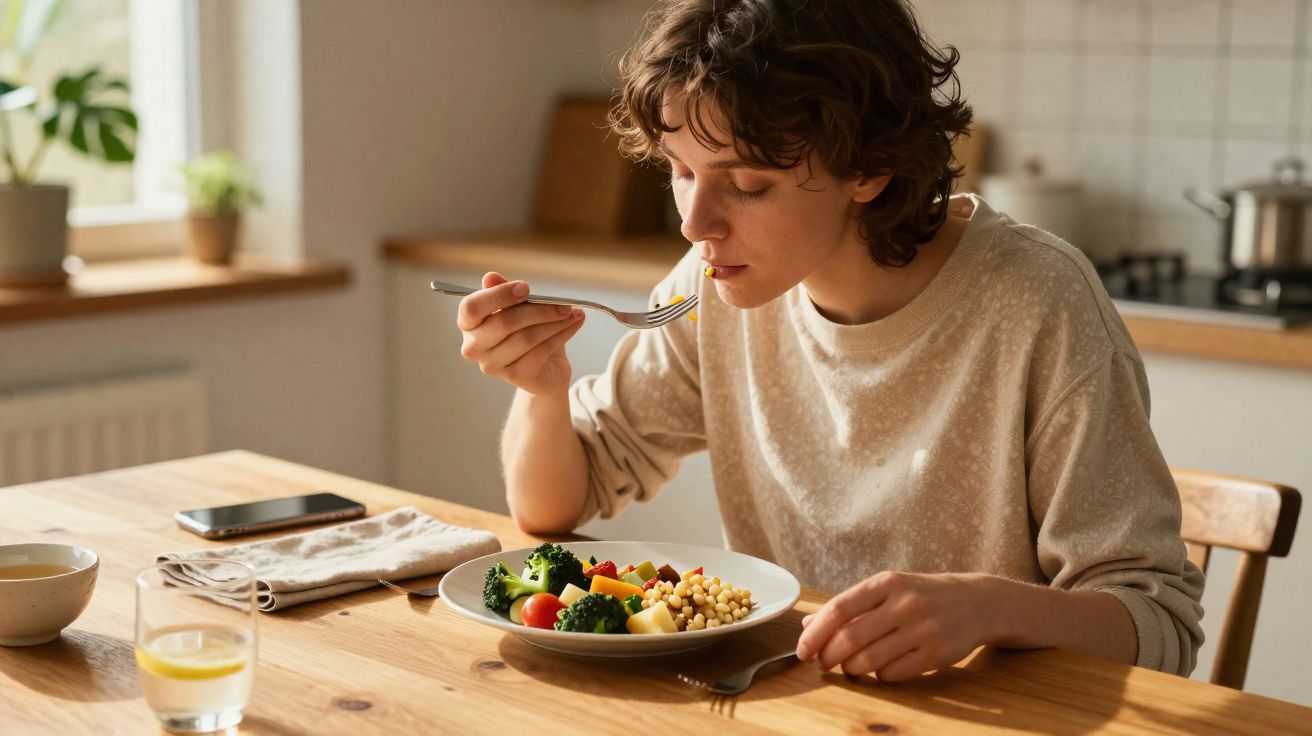
And, frankly, nobody nails this flawlessly every single day. Some nights end with cereal and fortified plant milk. Some lunchboxes come home half untouched. The aim isn’t perfection; it’s a consistent pattern over time: adequate quantity, decent variety, and enough calories to support growth.
When severe malnutrition does happen in vegan households, specialists often describe something that sounds less like ethics and more like isolation: parents who distrust healthcare, skip check-ups, dismiss warning signs, or stick to rigid “raw only” rules while a child drops off the growth curve. The food may photograph well on Instagram. The blood results tell another story.
The straightforward truth is that children don’t need perfect vegan parents - they need adults who will adapt and protect their growth. When ideology begins to weigh more than a child does on the scales, the boundary has been crossed.
Feeding children plant-based foods without feeding the panic
There is a way to raise plant-based children that doesn’t spiral into fear or headlines. It starts with treating a vegan diet as a practical job, not a moral badge. For babies and toddlers especially, speak to a paediatrician early. Bring a list. Ask direct questions about protein, fats, iron and B12. If you leave feeling that your clinician isn’t confident with plant-based diets, request a referral to a paediatric dietitian experienced with vegan families.
On the plate, the approach is almost deliberately dull:
- a grain or starchy base
- a protein source such as lentils, tofu, beans, or soy yoghurt
- a fat source such as nut butter, tahini, or vegetable oil
- fruit or vegetables alongside
Repeat. Adjust. Rotate flavours your child recognises.
The regret vegan parents often describe later isn’t “we fed our child plants”. It’s “we assumed plant-based automatically meant safe”. Green does not mean complete. Smoothies do not guarantee growth. Children need density: hummus with bread rather than only cucumber sticks; bean chilli with rice rather than a huge bowl of salad.
It also helps to plan for the real-world settings where children eat when you are not there. Nurseries, schools and clubs vary widely in how they handle plant-based meals, allergies and packed lunches. A short written list of safe foods, a reliable fortified drink option, and a couple of “fallback” snacks can prevent a day of low intake - and reduce the pressure on a child to explain their diet to adults.
Another overlooked piece is safety and suitability for age. Whole nuts, hard raw vegetables, and certain sticky foods can pose choking risks for toddlers, regardless of whether a family is vegan. Preparing foods appropriately - for example, using smooth nut butter instead of whole nuts, and cutting grapes or cherry tomatoes lengthways - supports safe eating alongside good nutrition.
The emotional load matters too. No parent wants to feel scrutinised over every mouthful. Some respond by hardening into defiance: “My child is fine - you’re just ignorant.” But defensiveness can shut the door on genuinely helpful medical guidance. A steadier approach is more protective: keep your values, stay open to feedback, and avoid turning every appointment into a fight.
A London paediatrician put it to me like this: “A vegan diet can absolutely meet a child’s needs. What worries me isn’t plants - it’s rigidity. As soon as a parent says, ‘I will never use supplements, I will never adjust,’ that’s when I start worrying about the child.”
Use supplements where the science is clear
B12 is not optional on a fully vegan diet. For many children, vitamin D and sometimes iodine are also advised. This isn’t “failing” at veganism - it’s how modern nutrition works.Watch growth, not Instagram
Growth charts, energy, sleep and mood tell you far more than how “clean” a meal looks. A child who plays, steadily gains weight, and bounces back from colds is typically on track.Keep one foot in the real world
Parties, school trips, visits to family: overly strict rules that isolate a child socially can be damaging in their own right. Aim for a solid pattern over time, not total purity.
Beyond the outrage: what the vegan parenting debate is really about
When you strip away the noise, the stories framed as “vegan parents starving their children” are often stories about control, fear, and the way food has become a moral battleground. Some readers see these cases and conclude that any plant-based parenting is inherently reckless. Others wave the headlines away as propaganda. Both positions miss the untidy middle ground where most families actually live.
That middle is made of compromises: a largely vegan household where Gran occasionally offers a slice of cheese; a child raised vegan who later asks to try fish; a teenager who challenges family rules and renegotiates them. Real life rarely follows a hashtag.
Underneath the loud accusations sits a quieter question: who decides what counts as “normal” food for a child - medical consensus, cultural habit, marketing, or parental ethics? Legally, the principle stays simple: children are entitled to adequate nutrition, whatever the dietary label. When that minimum is not met, authorities intervene.
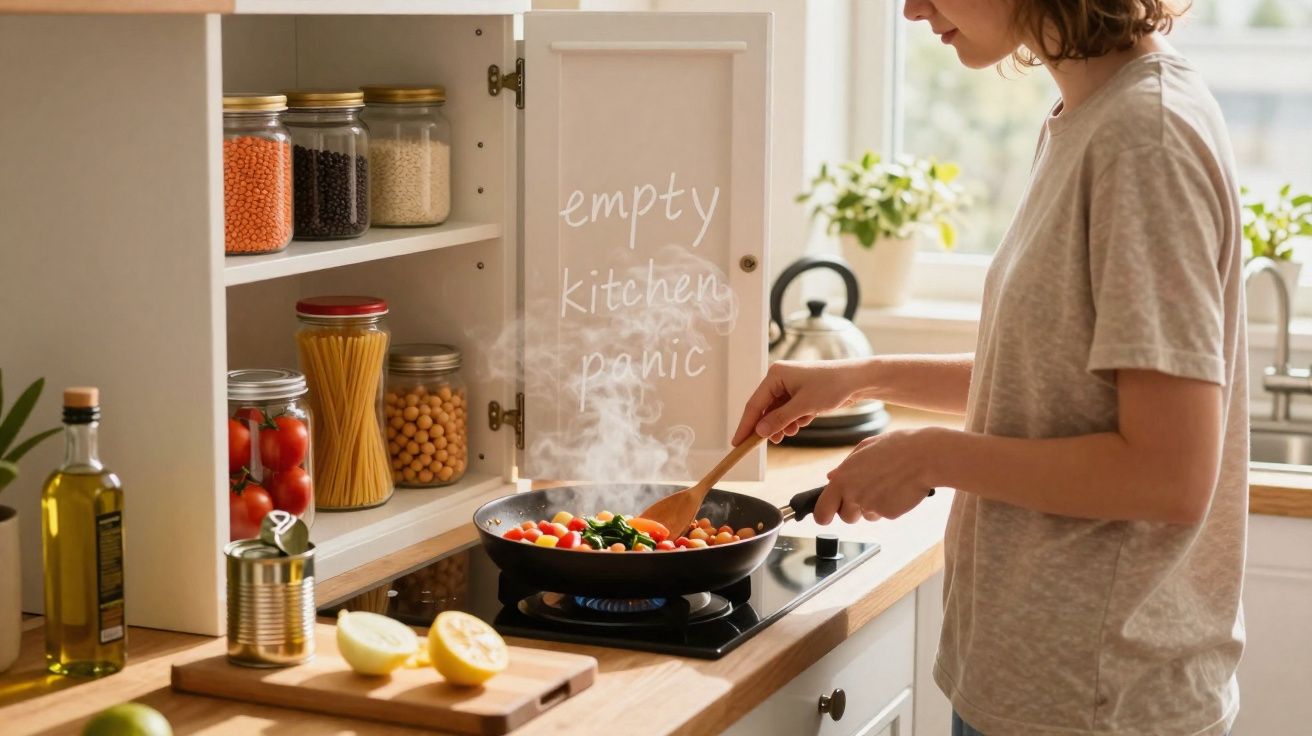
Yet in everyday kitchens, far from courtrooms, the choices are less dramatic and more repetitive: rice simmering, a pan heating, vegetables being chopped, a small voice asking for seconds - or pushing the plate away. In those small moments, parents sketch the world they want their children to inherit.
Some will do it with meat; others without. Many vegan parents today fear not only making a mistake, but being publicly shamed if they do. Many doctors fear seeing a fragile child too late, after ideology has overridden every warning sign.
Between those anxieties is a space where people can speak plainly about lentils, blood tests, snacks and growth charts - where “vegan” doesn’t automatically mean “neglect”, and “concern” doesn’t automatically mean “attack”. That space is smaller than a courtroom and bigger than a lunchbox. Most days, it looks like an honest conversation around a crowded table.
| Key point | Detail | Value for the reader |
|---|---|---|
| Vegan diets for kids need planning | Focus on energy, protein, fats, and key nutrients like B12, iron, iodine, zinc, and vitamin D | Helps parents recognise when “healthy-looking” meals may still be nutritionally thin |
| Professional support reduces risk | Regular growth monitoring and advice from paediatricians or dietitians familiar with plant-based diets | Reassures families and identifies issues before they become dangerous |
| Rigidity is a red flag | Extreme rules, refusal of supplements, or total distrust of doctors often appear in the most severe cases | Encourages flexibility and a child-first approach rather than ideology-first |
FAQ:
Can a vegan diet be safe for babies and toddlers?
Yes. Major dietetic bodies state that well-planned vegan diets can be suitable for all ages, including babies. The essentials are careful planning, breastfeeding or an appropriate infant formula, and close medical follow-up in the early years.What nutrients are hardest to get on a vegan diet for kids?
B12 is non-negotiable and must come from supplements and/or fortified foods. Iron, calcium, iodine, zinc, omega‑3s, and vitamin D also need attention, particularly during rapid growth in toddlers and teenagers.Are the extreme court cases representative of vegan families?
No. They are uncommon and typically involve several risk factors at once: severe restriction, failure to seek medical care, and sometimes wider neglect. Most vegan families look nothing like the headlines.How can I talk to my paediatrician if they’re sceptical about vegan diets?
Go in with clear questions, stay calm, and ask them to focus on growth, blood tests, and practical steps. If you feel judged rather than supported, consider a second opinion from someone experienced with plant-based diets.What if my child wants to eat animal products outside our vegan home?
Many families settle on a flexible arrangement: plant-based at home, with some freedom at parties or relatives’ houses. Listening to what the child wants while explaining your values often supports a healthier long-term relationship with food.
Comments
No comments yet. Be the first to comment!
Leave a Comment